
Medical Men of Regency England
The world of Regency medicine was divided into three very distinct groups: physicians, a main chaacter in Mistaking her Character, surgeons, and apothecaries. These men did not just do different jobs; they came from different social classes, went to different schools, and made very different incomes.
The Elite Physicians
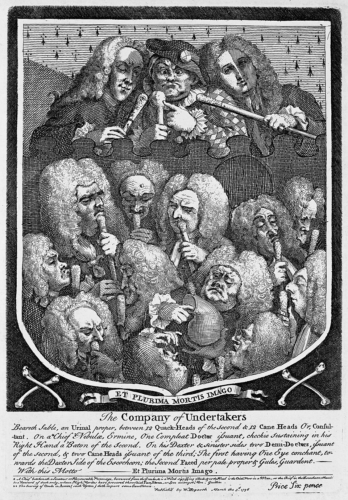
At the very top of the medical ladder stood the physician. These were the only medical professionals allowed to be called ‘doctor.’ A physician was considered a gentleman first and a medical practitioner second. Most physicians came from wealthy families and attended prestigious universities like Oxford, Cambridge, or Edinburgh. Their education focused on reading ancient Greek and Latin books more than on actually studying the sciences. The most elite medical schools of the day did not even much practical teaching in medicine. A doctor might have received his license with no clinical experience at all. At most, they might have observed some medical procedures in a lecture hall.
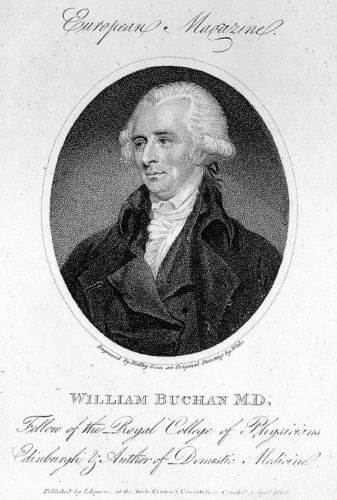
The job of a physician was mostly about brainpower rather than hands-on work. They would visit a patient, ask questions about their symptoms, and then offer a prescription based on the medical theories to which the physician subscribed. A true physician almost never touched their patient, other than perhaps to feel a pulse. They did not perform surgery, and they did not mix the medicine themselves. Physician William Buchan wrote Domestic Medicine: Or, A Treatise on the Prevention and Cure of Diseases by Regimen and Simple Medicines what beame a staple in home libraries, that exemplified this hands-off approach.
Because they were considered gentlemen, physicians were often invited to dine with the wealthy families they treated. This high status allowed them to charge very high fees, sometimes as much as a guinea per visit. A very successful London physician could earn thousands of pounds a year.
The Hands-On Surgeons
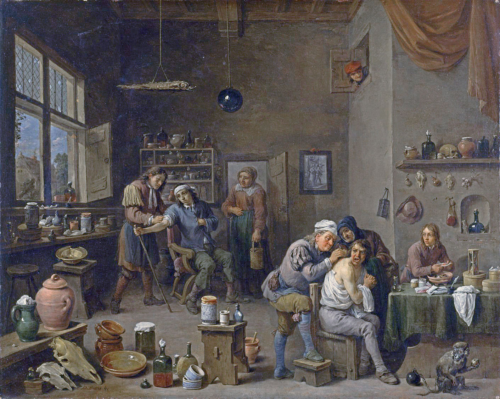
If the physician were the brain, the surgeon was the hands. Unlike physicians, surgeons were addressed as ‘mister’ because surgery was historically seen as a craft or a trade, similar to carpentry or blacksmithing. In the past, surgeons were even part of the same group as barbers.
By the Regency era, they had separated into their own professional group, the Royal College of Surgeons, but they still occupied a lower social rung than physicians. Surgeons rarely went to university. Instead, they learned their trade as apprentices to older, experienced surgeons. This was a very hands-on way to learn, involving years of watching and helping with operations.
The surgeon’s job description was more physical and more visceral than a physician’s. They treated broken bones, pulled teeth, and performed operations. Because there was no modern anesthesia, these operations had to be done quickly while the patient was awake.
While they were essential to saving lives, the fact that they did manual labor and got their hands dirty meant they were not seen as proper gentlemen. Their income was generally lower than that of physicians, though a top surgeon in a big city could still make a very good living. Most, however, earned a middle-class income, often serving those who could not afford the elite physicians.
The Hard Working Apothecaries
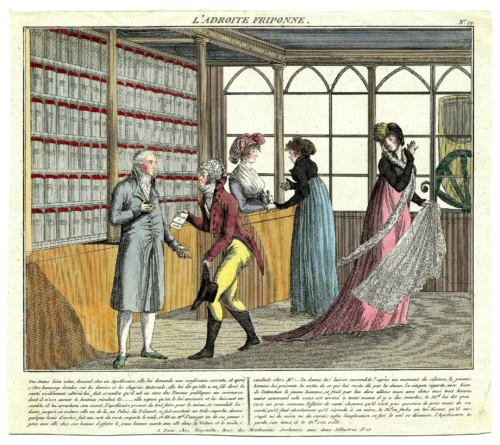
The most common medical person in the Regency era village was the apothecary—part pharmacist, part family doctor. Like surgeons, they were called ‘mister’ and considered as being in trade because they kept a shop.
Apothecaries spent their days mixing potions to fill the prescriptions written by physicians. They were also the lowest on the medical social ladder. However, because physicians and surgeons were often too expensive or too far away for the average person, the apothecary frequently stepped in to give medical advice and treat minor illnesses. They were the original general practitioners for the middle and lower classes.
Becoming an apothecary required a five-year apprenticeship. During this time, a young man would learn how to identify plants, mix chemicals, and run a business. In 1815, a new law called the Apothecaries Act alos required them to spend at least six months working in a hospital and to pass an exam. This was the first real attempt to make sure medical workers were actually qualified.
Despite their importance, apothecaries were often looked down upon by physicians. They made money by selling the medicines they mixed, rather than charging for their time or advice. Their income was usually the lowest of the three groups, often ranging between one hundred and four hundred pounds a year, which was enough for a comfortable but modest life.
A Changing Medical World
As the Regency era progressed, the lines between these three professions blurred. Many began to train as both surgeons and apothecaries, creating a new role called the surgeon-apothecary. These professionals were the ancestors of the doctors we see today. They could perform surgery, mix medicine, and give general advice. Even though the physicians tried to keep their high social standing, the growing middle class in England demanded better and more affordable care from these multi-talented practitioners. Medicine moved away from just reading old books and toward a scientific approach based on experience and training.
Learn more about Regency Era medicine here
Learn more about Regency Era gentlemen here
Find Buchan’s book on Domestice Medicine here
References
Apothecaries Act 1815. 2026. “Apothecaries Act 1815 – Wikipedia.” https://en.wikipedia.org/wiki/Apothecaries_Act_1815 .
Bloor, D. U. 1978. “The Rise of the General Practitioner in the Nineteenth Century.” Journal of the Royal College of General Practitioners. chrome-extension://efaidnbmnnnibpcajpcglclefindmkaj/https://bjgp.org/content/bjgp/28/190/288.full.pdf
Hatch, Donna. “Mister, Doctor, or hey you? Medical personnel in Regency England.” Donna Hatch. May 31, 2020 https://donnahatch.com/mister-doctor-or-hey-you-medical-personnel-in-regency-england/ .
Koster, Kristen. “A Primer on Regency Era Doctors.” Kristen Koster. Accessed August 12, 2026. https://www.kristenkoster.com/primer-regency-era-doctors/ .
Moll, Heather. “Regency medical practitioners.” Excessively Diverted. November 9, 2025. https://www.heathermollauthor.com/post/regency-medical-practitioners
Thomas, Tiffany. “Medical Professions During Regency England.” Always Austen December 19, 2023. https://alwaysausten.com/2023/12/19/regency-medical-professions/
One of the most misused words in Regency romances is doctor. In that time a Doctor was more likely to be a clergyman than a physician. As you mention, the person most often consulted was likely to be a apothecary surgeon. A book I have for physicians only covers diseases. The medicines look as likely to kill as to cure one. Back in the 18th century John Wesley wrote a book Primitive Remedies– how to treat minor illnesses and injuries. He advocated the use of galvanism for many. An excellent article.
Pingback:Read a New Book Month Sale - Week 2 - Jane Austen Variations
Pingback:One of My Favorites-Mistaking Her Character - Random Bits of Fascination