
Transportation for the Regency Middling Class
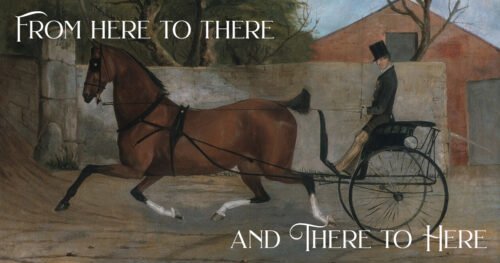
The Regency era middle class included clergymen, country doctors, and gentlemen of moderate fortune. They relied on economical two-wheeled vehicles like the gig, the whiskey, the cabriolet, and the curricle.
The Whiskey
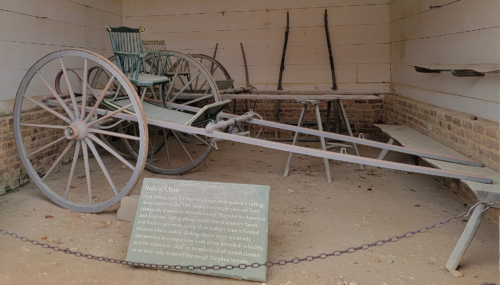
For those seeking the most budget-friendly vehicle, the whiskey or chair was their answer. These vehicles were light, one-horse chaises that allowed a driver to “whisk” along the road with minimal effort from the horse.
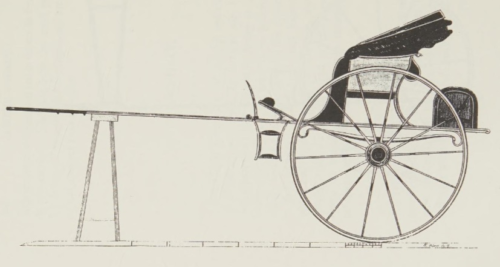
The chair was a basic variation on the whiskey, without doors or back panels. The primary drawback of both the whiskey and the chair was the total lack of protection; they usually had no hood, leaving the occupants exposed to road dust and the weather. Despite this, they were prized for being easy on the horse and maneuverable in narrow country lanes where larger vehicles might struggle.
The gig
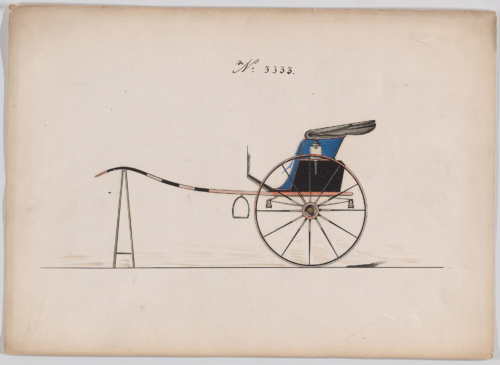
The gig was the most common vehicle on the road, the standard transport for country professionals. A new gig cost approximately £58 (still more than a year’s wages for many in the working class), making it much more attainable than a luxury coach. It required only a single horse. This reduced the annual maintenance costs. (For reference, keeping one carriage horse could cost around £120 per year in London.)
Riding in a gig was an unrefined experience. The body was light, and the vehicle had only two wheels, so motion sickness was a common experience. The suspension was highly dependent on the quality of the springs.
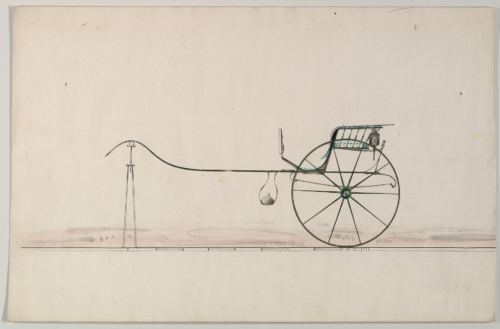
Carriage design for (Tilbury?) Gig (unnumbered), Brewster & Co. (MET, 23.112.1927). Creative Commons CC0 1.0 Universal Public Domain Dedication
The “Tilbury gig,” designed by the Mount Street coachbuilder of the same name, featured a rib-chair body supported by complicated springs and lacked a boot. It was the preferred choice for traversing rougher ground. In contrast, the “Stanhope gig,” designed by the Honorable Fitzroy Stanhope, offered a more enclosed, sturdier frame better suited for carrying luggage.
The Sporting Gig
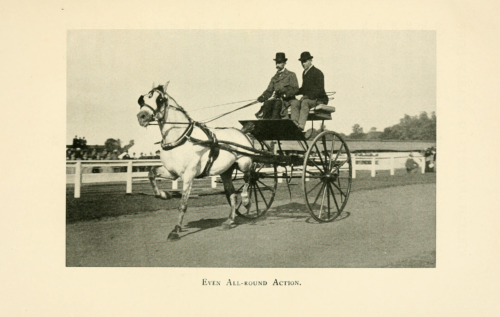
The sporting gig, referred to as a knowing rig, was the entry-level vehicle for a gentleman wishing to display a bit of dash on a budget. While practical for everyday travel, its sporting reputation was built upon the speed and skill with which a driver, or whip, could navigate through traffic. The high build of some versions, like the suicide gig, made them notoriously unstable.
Young men studying law at the Inns of Court and country gentlemen who wished to appear fashionable favored these vehicles.
The cabriolet
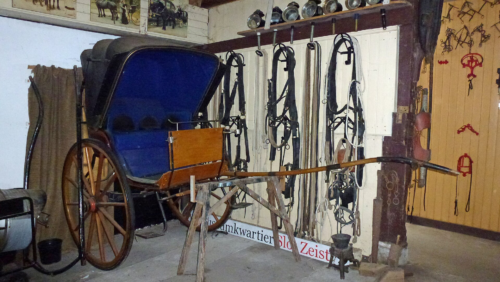
The cabriolet offered a more sophisticated two-wheeled transport. This light, two-wheeled, hooded vehicle was imported from France. It became a fashionable substitute for the heavier curricle. It featured a folding leather hood and a rigid apron to protect the riders from rain and mud, a much more comfortable everyday option than an open gig.
Unlike the whiskey and gig that required no servants, the cabriolet featured a “tiger,” a small groom who stood on a platform at the rear of the vehicle to hold the horse when the driver disembarked head or navigate the animal through the gridlock of city traffic.
The curricle
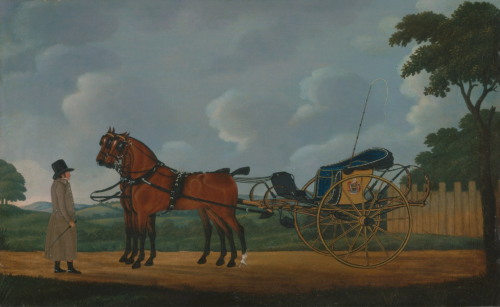
John Cordrey (1745 – 1845) – Artist (British) Public Domain
The curricle was the highest-status two-wheeled vehicle, costing roughly £100 new. Although often associated with sporting young men, it was also used for fast everyday travel by well-to-do gentlemen who preferred to drive themselves.
The curricle was the only two-wheeled vehicle designed to be drawn by a pair of horses. It required a unique arrangement to distribute the weight of the vehicle across the horses’ backs. This system required a delicate balance to ensure the carriage did not jerk or sway. If the horses did not step in unison, the resulting motion was jarring and unpleasant, often leading to accidents (frequently because of tipping) for which the vehicle was notorious.
Paying for the privilege
A gentleman required a yearly income of at least £700 per year to maintain a personal carriage along with a modest household. For reference, most working class people made only a few shillings a week. 20 shillings made up a pound. Read more here.
Horses and equipment like harnesses had to be maintained, and the vehicle itself required a dedicated coach house. A separate carriage house preserved the expensive interiors from the vermin which animal feed in the barn attracted. For those in town, these vehicles and their horses were kept in the mews behind the main residence.
Modest as they were, the gig, whiskey, cabriolet, and curricle allowed the middle class access to mobility only enjoyed by the elite classes of the past
So if you had a choice, which one of these would you have prefered to ride in? Tell me in the comments.
Read more about transportation during the Regency Era here.
References
The reference section for this series is VERY long, so you can find it HERE.
Comments
Transportation for the Regency Middling Class — No Comments
HTML tags allowed in your comment: <a href="" title=""> <abbr title=""> <acronym title=""> <b> <blockquote cite=""> <cite> <code> <del datetime=""> <em> <i> <q cite=""> <s> <strike> <strong>