
Phaeton: The Sports car of the Regency Era
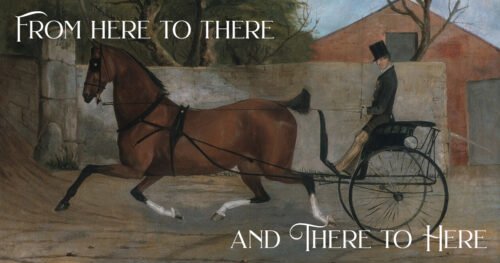
In the early 1800s, if a fashionable gentleman wanted to make a grand entrance, he chose a carriage known as a phaeton. The supercar of its time, the phaeton was built for speed, style, and showing off rather than just getting from one place to another.Unlike the heavy, enclosed coaches used by families, the phaeton was an open carriage designed to be driven by the owner himself.
The name phaeton comes from a story in Greek mythology about a boy named Phaëton who tried to drive the chariot of the sun and nearly destroyed the world. A fitting name, since these carriages were famous for being both exciting and dangerous to drive.
A Light And Custom Build
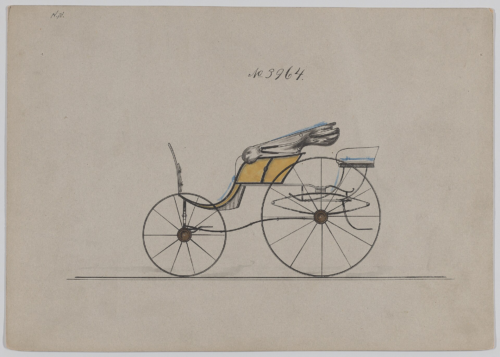
Phaetons were unique because they were very lightweight and sat on four wheels. The front wheels were usually smaller than the back wheels, which helped the carriage turn more easily. The body of the carriage was often made of wood and held up by long, flexible steel springs that acted like modern shock absorbers for a smoother ride.
While some had a folding leather top called a calash to protect people from the sun, they were mostly meant for use in good weather. Because these vehicles were custom-made, owners could choose specific colors, fabrics, and designs to match their personal taste.
A basic version might cost as little as twenty pounds, but a fancy model could cost over one hundred pounds.
From Pony Phaetons to Towering High-Flyers
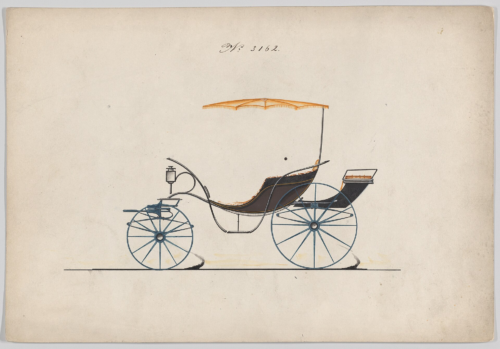
Not all phaetons were built for racing or danger. Some were designed for comfort and elegant social visits. These were known as pony phaetons or ladies’ phaetons because they were low to the ground and pulled by small ponies.
Because they were closer to the ground, they were much easier for people to step into without needing a ladder or help from a servant. These low carriages were popular for driving through city parks, like Hyde Park in London, where wealthy people went to see their friends and show off their newest clothes.
On the opposite end of the spectrum were the sporting phaetons, which were built to be as tall and fast as possible. The most extreme version was called the high-perch phaeton or the high-flyer. These carriages were built so tall that the driver’s seat could require a ladder to reach it. The front wheels on these models could be five feet tall, while the rear wheels might reach eight feet.
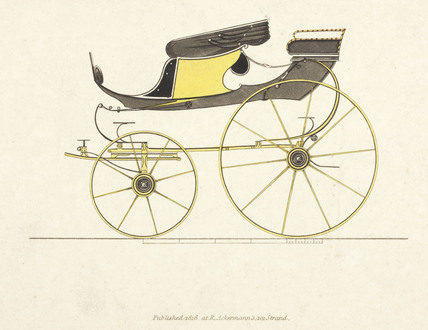
High Flyer Phaeton Print, one of a series of nine showing early 19th century carriages, published by R Ackermann, 101 Strand, London. 1816. Public Domain
In his younger days, the Prince Regent, who later became King George IV, loved to drive these high flyers to show off his bravery and skill. Driving a high flyer was a way for a man to prove he was a daring and expert driver who could handle a powerful team of horses.
Thrills and Hazards on the Road
While they were very stylish, sporting phaetons were notoriously unstable and prone to accidents. Because the body of the carriage was so tall, it had a high center of gravity, which meant it could tip over if the driver took a corner too fast or hit a bump. When driving down steep hills, the weight of the carriage could shift so much that the back wheels might lift off the road. If a horse stumbled or the carriage hit a deep rut, the people inside were often thrown out onto the stone road. Despite these serious risks, young men continued to drive them because the danger was part of the excitement. To these sporting drivers, surviving a fast ride in a high flyer was the ultimate way to gain social status and respect from their peers.
Engaging question? Tell me in the comments.
Read more about transportation during the Regency Era here.
References
The reference section for this series is VERY long, so you can find it HERE.
Comments
Phaeton: The Sports car of the Regency Era — No Comments
HTML tags allowed in your comment: <a href="" title=""> <abbr title=""> <acronym title=""> <b> <blockquote cite=""> <cite> <code> <del datetime=""> <em> <i> <q cite=""> <s> <strike> <strong>