
Perpetual Stew~a forever food
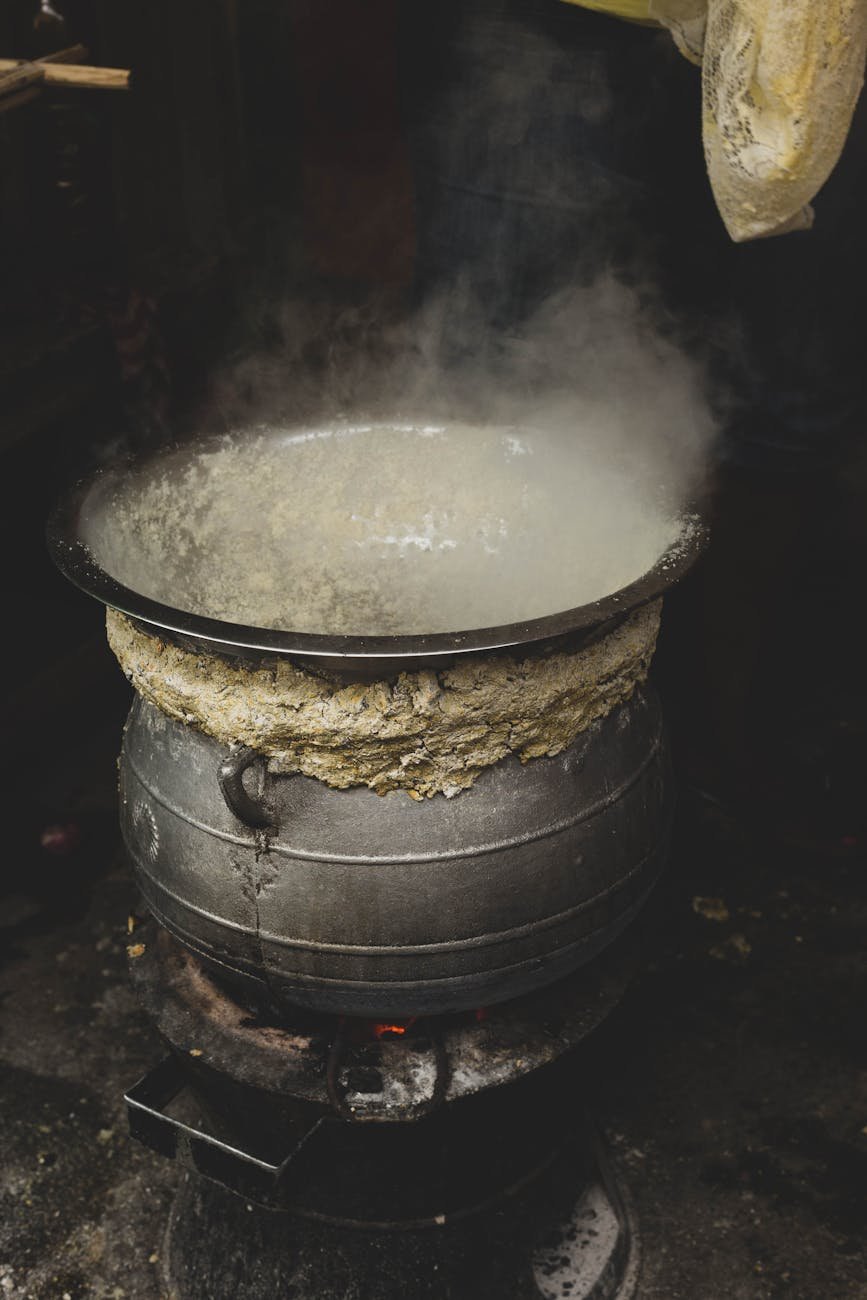
The Bird’s Nest, Birdy’s pub in the World Wrights series, is well known for plentiful, delicious food. In the days before modern kitchens, though, cooking was often an all-day affair, with even ‘quick’ foods taking an hour to prepare. So what’s a pub keeper to do to be able to feed hungry (and often grumpy) guests at a moment’s notice?
Keep a pot of perpetual stew on the fire, always. Every day, all day, for weeks, even years at a time.
Wait … what? Was that a typo (yes, I know I’m prone to those). Keep a pot on the fire for years at a time? That’s got to be crazy, right?
Well, not so much. It’s really a thing. Perpetual stew—also called “hunter’s pot” or “everlasting soup”—was a very real thing in history. It was part of daily life for many folks long before we had fridges and microwaves.
What Is Perpetual Stew?
A perpetual stew is exactly what it sounds like—a stew that never gets thrown out. Instead of emptying the pot and washing it after dinner every night, you keep it going by adding more water, more ingredients, and letting it keep simmering (that’s the key part here.) People would eat from it every day, then toss in scraps, leftovers, or new meat and vegetables to keep it going.
The stew might stay on the fire for weeks—even longer if you had a steady supply of fuel and food. Think of it like sourdough starter for soup (that’s an image, isn’t it?) You keep feeding it, and it keeps giving back.
Why Make It?
Back in medieval times (and even later), perpetual stew made sense. Life was demanding, and not everyone had the time—or money—to cook fresh meals every day. In village taverns, poor cottages, or even monasteries, the stewpot was like a kitchen’s beating heart. As long as it was kept hot over a fire, you could serve it up whenever someone was hungry—instant food in a time when nearly everything took at least an hour to cook. (Just for reference, ‘hasty pudding’, effectively a cornmeal mush, was called hasty because it only took forty-five minutes to prepare.)
Perpetual stew also made excellent use of leftovers. Nothing went to waste. Got a scrap of onion? Toss it in. Half a rabbit? In it goes. Leftover barley, beans, or even bones? Yep, add those too. It was affordable, practical, and pretty delicious, especially f you kept it seasoned well.
Some big taverns and inns would have pots going for years. According to historical food experts a stew might even be passed from cook to cook over generations, making it a kind of family tradition in a pot. Interesting sort of inheritance, huh?
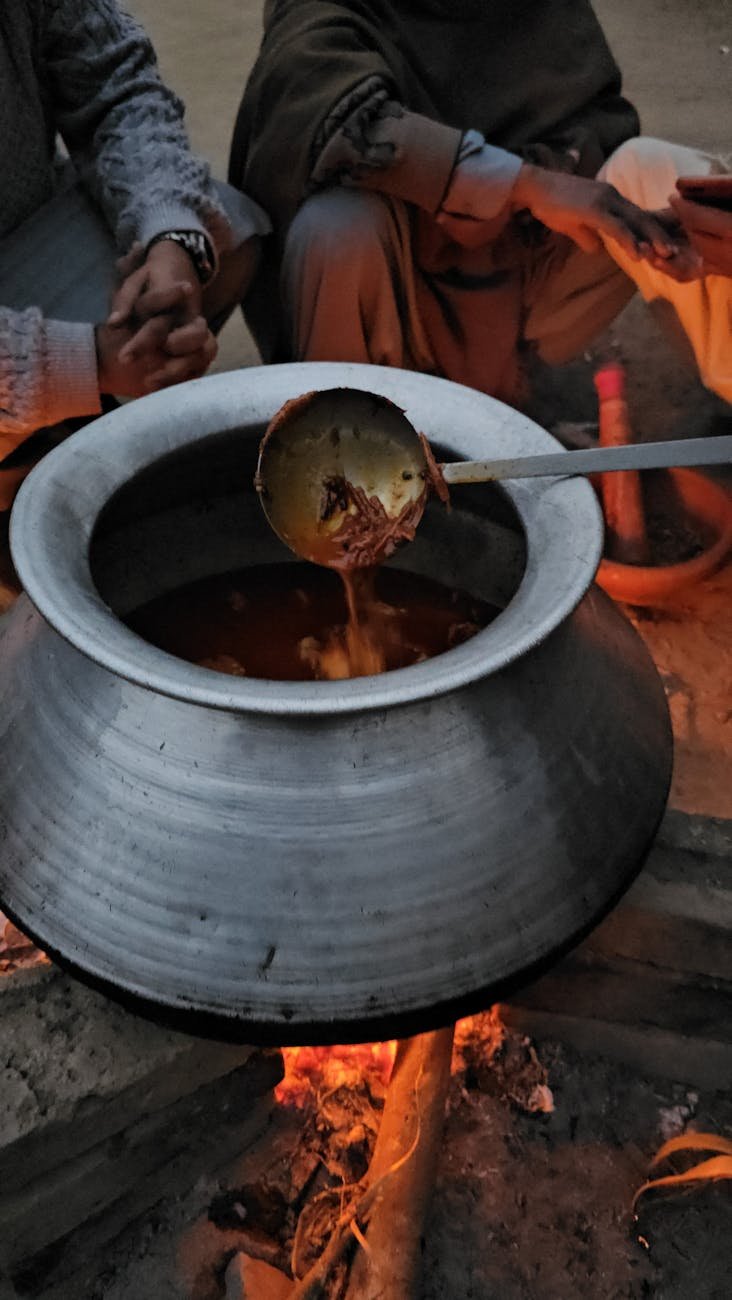
What Would It Contain?
That depended on where you lived and what you had on hand. In Europe, a medieval perpetual stew might contain beans, onions, root vegetables like turnips or parsnips, and some salt pork, chicken, or rabbit. In France, it might have wine or garlic thrown in. In Asia, similar soups like the Chinese “master stock” were used to poach meats, and included soy sauce, star anise, and ginger.
By the 17th or 18th centuries, you might find tomatoes, potatoes, and even corn in your stew, depending on where you lived and what trade routes brought in.
The beauty of the stew was in how the flavors layered. Each day added something new. The broth would get thicker, richer, and deeper. People said it tasted like “everything you’ve ever loved in a soup bowl.” Kind of magical, really.
Is It Safe to Eat?
Good question. First knee jerk reaction here might be absolutely not. However … in theory, the answer is actually yes—as long as you keep it hot.
Bacteria love lukewarm temperatures. So the stew had to be kept simmering (over 140F or 60C) pretty much constantly. If it was cooled down, eating it cold the next morning would not been a good idea. It needed to be thoroughly boiled again before serving.
Honestly, this is the scary part to me, after an hour or two in the temperature danger zone (40-140F, 4-60C) we start to worry about food poisoning and just how long you’d have to boil stew that’s been tainted in order to make it safe is a little vague at best. So, while the process is sound in theory, there’s always room for human error.
Modern perpetual stews, like those kept in fancy French restaurants or traditional Asian kitchens, are still made this way today. In fact, some broths are decades old—and totally safe to eat as there’s greater assurance the stew has been kept in the safe temperature ranges throughout it’s life.
What Did It Taste Like?
Imagine a soup that keeps getting better over time. The broth would be the star—thick, flavorful, and meaty (even if it had no meat in it). Spices and herbs like bay leaves, thyme, or garlic would mingle with long-simmered vegetables and bones.
Each bowl would be a little different, depending on what went in that day. It could be hearty and chunky one day, or more brothy and thin the next. Never the same soup twice, familiar and comforting, but never boring.
What’s the Oldest Perpetual Stew?
There are a few amazing examples of perpetual stews that have stood the test of time. In Bangkok, a restaurant called Wattana Panich has kept its beef noodle broth simmering for over 45 years. They keep a portion each night, clean the pot, and add it back in with fresh ingredients the next day. In France, records from medieval times talk about stews that stayed on the hearth for months in taverns and farmhouses. Some historians even say there were stews that lasted generations, though it’s hard to prove. In the Philippines, the famous “adobo” sometimes gets treated this way in family homes, simmering for days and getting richer with time.
So, while we might not know the absolute oldest, there’s no doubt that perpetual stew has been part of human food history for hundreds—maybe thousands—of years.
So Would You Eat It?
Perpetual stew might sound weird today, but in a world where food was precious, nothing went to waste, it was a smart and tasty solution. And if you’ve ever eaten leftovers that tasted better the next day, you have a sense of how this might work. At our house, I often cook meals with leftovers in mind. Asian Lettuce Wrap leftovers become Fried Rice a couple days later. French Dip roast beef becomes Beef and Barley, and so on. So Perpetual Stew seems like a natural extention of that process. At least it does to me.
Would you try a bowl?
References
Albala, Ken. Food in Early Modern Europe. Westport, CT: Greenwood Press, 2003.
Dalby, Andrew. Dangerous Tastes: The Story of Spices. Berkeley: University of California Press, 2000.
Wattana Panich. “Our 45-Year-Old Soup Broth.” Accessed June 10, 2025. https://www.wattanapanich.com/history
BBC Travel. “Forever Foods?” https://www.bbc.com/audio/play/w3ct5xn8
Comments
Perpetual Stew~a forever food — No Comments
HTML tags allowed in your comment: <a href="" title=""> <abbr title=""> <acronym title=""> <b> <blockquote cite=""> <cite> <code> <del datetime=""> <em> <i> <q cite=""> <s> <strike> <strong>