
High Society on Wheels
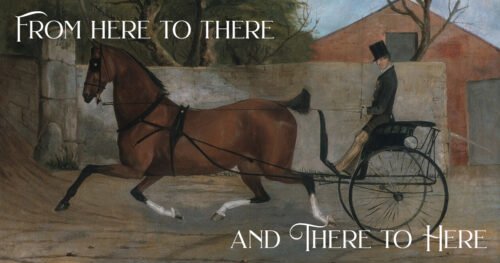
Owning a coach in the early 1800s was a statement of wealth and social status. Possessing a carriage separated the truly elite from the merely comfortable.
The financial commitment was staggering. A family coach alone cost as much as £400 to build. (On the order of 6 to 8 times a yearly working-class income.) And that is before all the costs to run and maintain such a vehicle. A gentleman would require a disposable income of at least £700 above his basic living expenses to afford a coach.
Luxury vehicles required a dedicated coach house or town mews to protect the delicate interiors from weather and vermin. Mice from the stable could ruin expensive fabrics. The vehicles also required skilled coachmen, grooms, stable hands, and liveried footmen whose annual clothing costs alone could be as much as their wages.
The government levied heavy taxes on luxury vehicles. These included an annual carriage duty of £9 12s and separately assessed taxes for every horse and servant in the household. Additional tax was incurred if a family crest was painted on the vehicle.
The growing middle class might occasionally hire a carriage for special events, but maintaining a private coach year-round separated the comfortable from the wealthy.
Town Coach
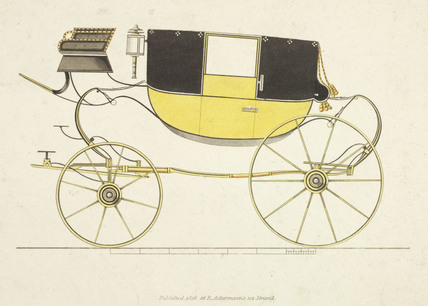
Within cities like London, enclosed vehicles were necessary to protect the occupants both from the dirt and from prying eyes. The most imposing of these was the town coach. This massive, four-wheeled structure featured a curved underbody and windows on all sides. A vehicle so majestic that it was often described as the King of the Road.
Because of their immense bulk, town coaches required a team of two to six heavy draft horses. They usually seated four passengers inside on two seats facing one another.
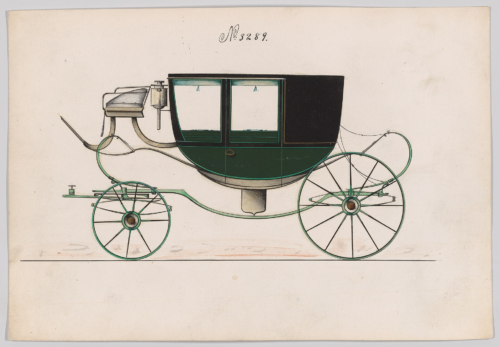
A coachman occupied an exterior elevated box seat called a dickie, mounted higher than interior seats. The arrangement provided better road visibility. Foreigners, who felt servants should not sit higher than their masters, often deemed the arrangement shocking.
For those seeking even greater exclusivity, the vis-à-vis was a narrow variation of the coach, designed for only two people facing one another. Few could afford a vehicle dedicated solely to private, two-person excursions. The ultimate date car, perhaps?
Landau
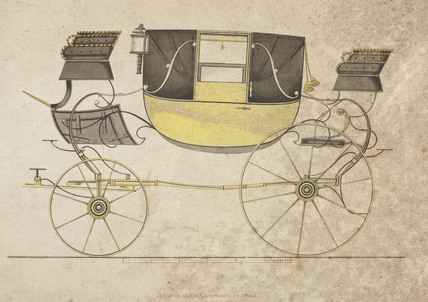
The landau was a four-wheeled convertible that offered great versatility. It featured two soft folding hoods that could be raised independently to meet in the center or lowered flat to transform the coach into an open carriage. This design made the landau the ultimate choice to see and be seen in urban parks. The low-styled shell provided maximum visibility of the occupants and their fine clothing.
The landau was a heavy vehicle because of its extensive ironwork and was drawn by a pair or a team of four horses. It required a coachman on the box or postilions riding the horses, along with a separate groom’s seat above the rear axle. Another conspicuous display of prosperity.
Barouche
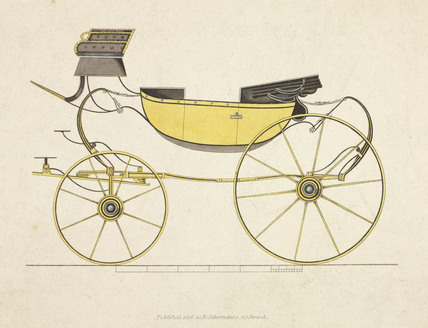
The barouche was a heavy summer carriage favored by the aristocracy and titled ladies. It accommodated four passengers sitting in facing pairs. A folding hood covered only the rear internal seat, providing an unobstructed view of the surroundings. An ideal way to go sightseeing in the great parks.
Though it appeared light, the barouche required heavy bracing. It required a team of four high-quality horses. While it offered little protection during inclement weather, owning one was a status symbol.
Town Chariot
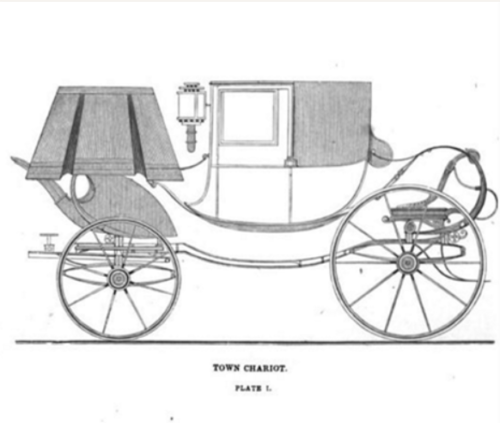
The town chariot or coupe offered a lighter, speedier, and more fashionable alternative for two passengers.
It was essentially a half-coach with only one front-facing interior seat. A coach box and driver distinguished the town chariot from the post-chaise, which was driven by postillions.
The chariot featured a large front window, perfect for sightseeing. Sometimes, wealthy families added removable small internal seats for their younger children.
Luxury vehicles did not equate to comfort. Despite technical improvements, the ride could be jarring and uncomfortable. Passengers fought the cold and the dirt. Enclosed coaches used silk and brocade to avoid the pungent odors of tanning chemicals. But leather was the preferred material for open carriages, where the scent could dissipate in the wind. The interior of a closed landau, though, could become hot and smelly from the oil used to blacken the leather hoods. Money could buy a lot, but there was only so much it could do to make travel comfortable.
Which one of these would you like to ride in? Tell me in the comments.
Read more about transportation during the Regency Era here.
References
The reference section for this series is VERY long, so you can find it HERE.
Comments
High Society on Wheels — No Comments
HTML tags allowed in your comment: <a href="" title=""> <abbr title=""> <acronym title=""> <b> <blockquote cite=""> <cite> <code> <del datetime=""> <em> <i> <q cite=""> <s> <strike> <strong>