
Celebrating World Lizard Day
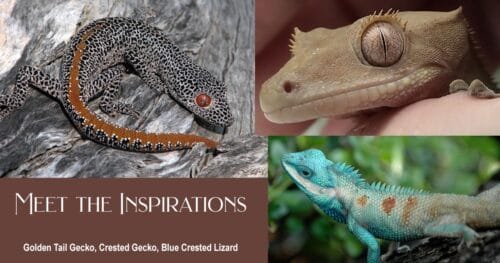
So today is World Lizard Day. A day to recognize all things cold-blooded and lizard-y!
It is no surprise that many of the dragons in my series are inspired by actual. Living, breathing, lizards. Did you know there are over 7,000 species of them to be inspired by? Here are a few that inspired dragons you know.
How about a few fun lizard-y facts to celebrate these fascinating creatures?
Decorating with Lizards
Apparently wealthy Blue Order members aren’t the only ones who decorate with dragons.
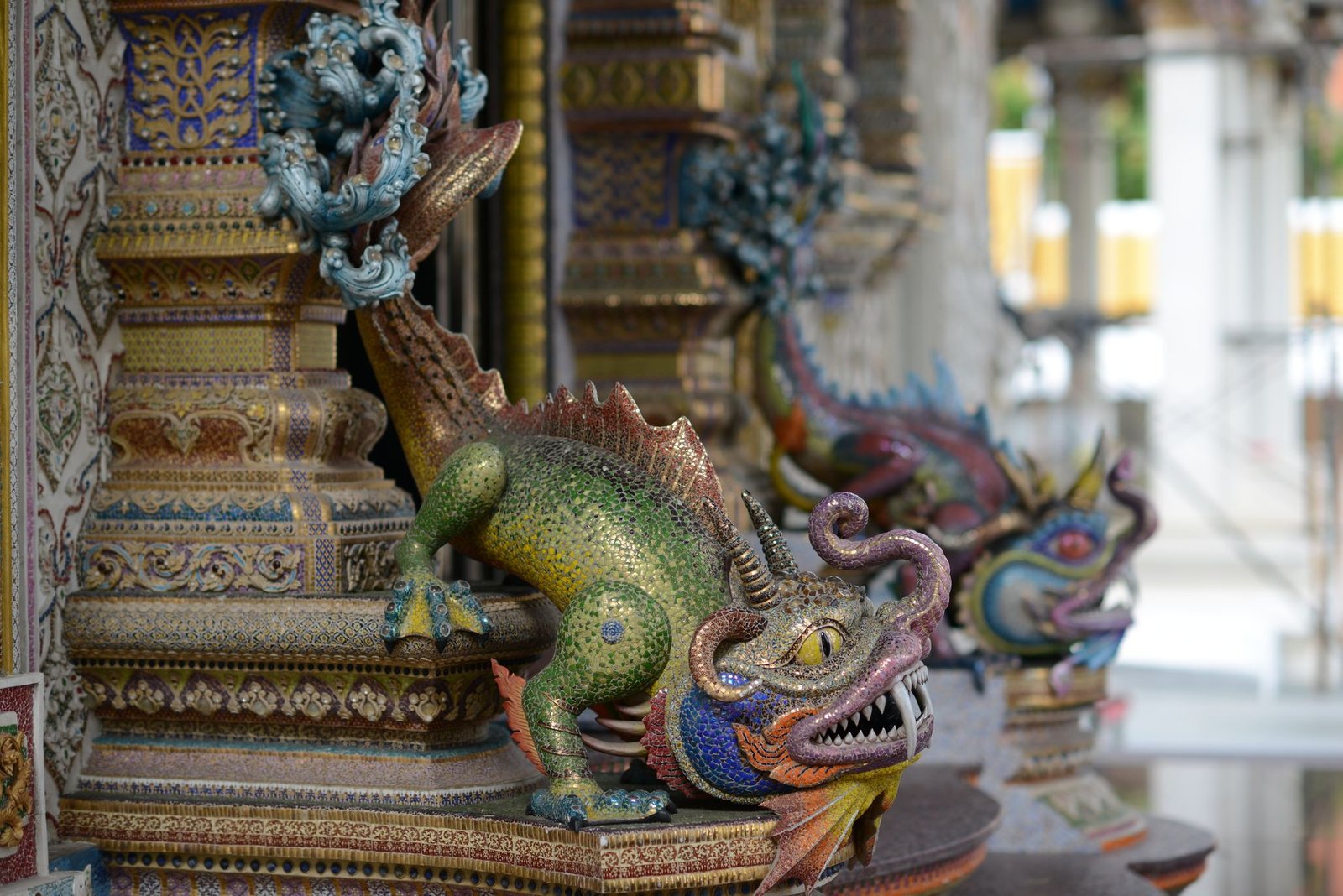
The intricate patterns on lizard skin inspired early designs in cultures like the Aztecs. Temple carvings often mimicked the geometric scales of lizards, believed to bring balance and protection. In Cambodia, some lizards are etched into Angkor Wat as sacred symbols of regeneration.
In feng shui, lizards are symbols of protection and adaptability. They represent the ability to thrive in changing environments. Positioning lizard or gecko figurines facing toward a door or window to catch good luck and ward off negative energy.
The lizard is a highly popular symbol of luck and protection in Spain and Portugal. It is common to see painted ceramic lizards and geckos hung on the exterior walls of homes and offices. Latin, Mediterranean, or southwestern-style décor often features stylized lizards (often seen in Talavera pottery, mosaics, and sun-bleached metalwork) celebrate the resilience of desert and tropical wildlife.
Unique Dragon Defenses
My dragons often have interesting abilities and defenses. Here are a few from the real world.
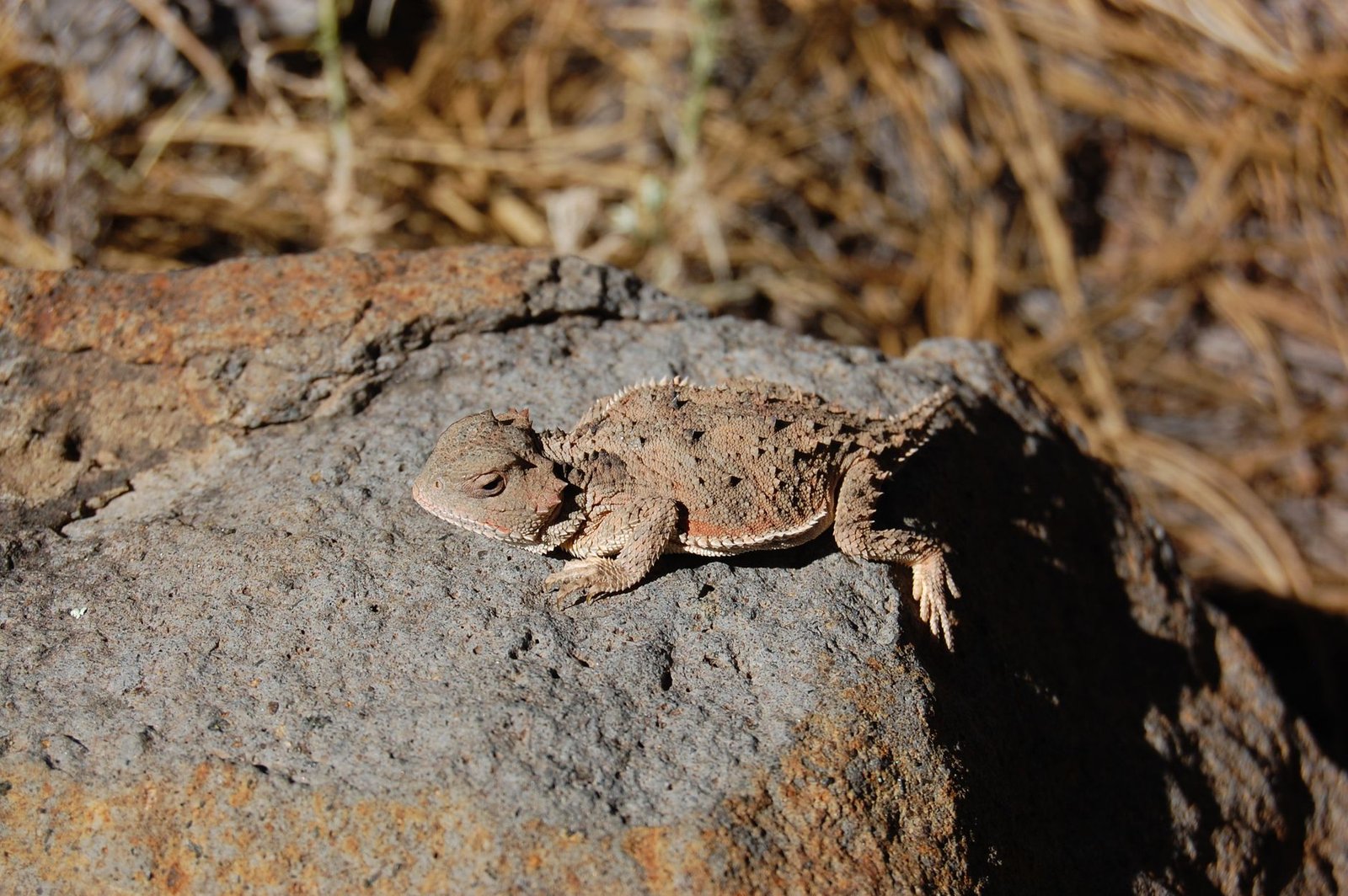
Squirting Blood from Eyes: The Texas horned lizard , or as we call them ‘horned toads’, can restrict blood flow leaving its head, increasing blood pressure until tiny vessels in the eyelids rupture. This shoots a stream of foul-tasting, toxic blood up to 5 feet away.
Sacrificial Skins and Tails: Many lizards can voluntarily sever their own tails when grabbed by a predator. The severed tail twitches and writhes, distracting the attacker while the lizard escapes to safety and grows a replacement tail over time. The giant day gecko can intentionally slough off large patches of its skin leaving the predator with a mouth full of skin while the lizard escapes.
Playing Dead (Thanatosis): Certain lizards, such as some anoles, will freeze in place or even lie completely on their backs with their mouths open to feign death. Because many predators rely on movement to spot a meal, staying perfectly still can cause the predator to lose interest. Doesn’t work so well with my cats though. I’ve rescued a lot of lizards who wandered into the house from them.
Big and Scary: Bearded dragons puff out their bodies and turn their throats black. Frilled lizards expand a massive neck frill that makes them look much larger and more threatening to intruders. The blue-tongued skink a vibrant blue tongue mimic the colors of highly venomous creatures. Meanwhile, the armadillo girdled lizard curls into a ball, clamps its tail firmly in its mouth with its forefeet, and presents a spiky fortress that is too wide for predators to swallow.
Lizard-y Superstitions
Auspicious Beliefs and Good Luck
Ancient Greek culture believed that spotting a lizard was considered a sign of good luck.
In India (Hinduism), lizards are generally considered highly auspicious. Some interpret the meaning of a house lizard falling on different parts of the human body to predict fortune or misfortune. Others believe that if you are thinking of something when a lizard makes a clicking sound, that thought will come true.
Across Spain and Portugal, geckos and lizards are prominent symbols of good luck. Ceramic or metal lizard charms and wall hangings are commonly placed in homes and offices to attract prosperity.
Bad Omens and Misfortune
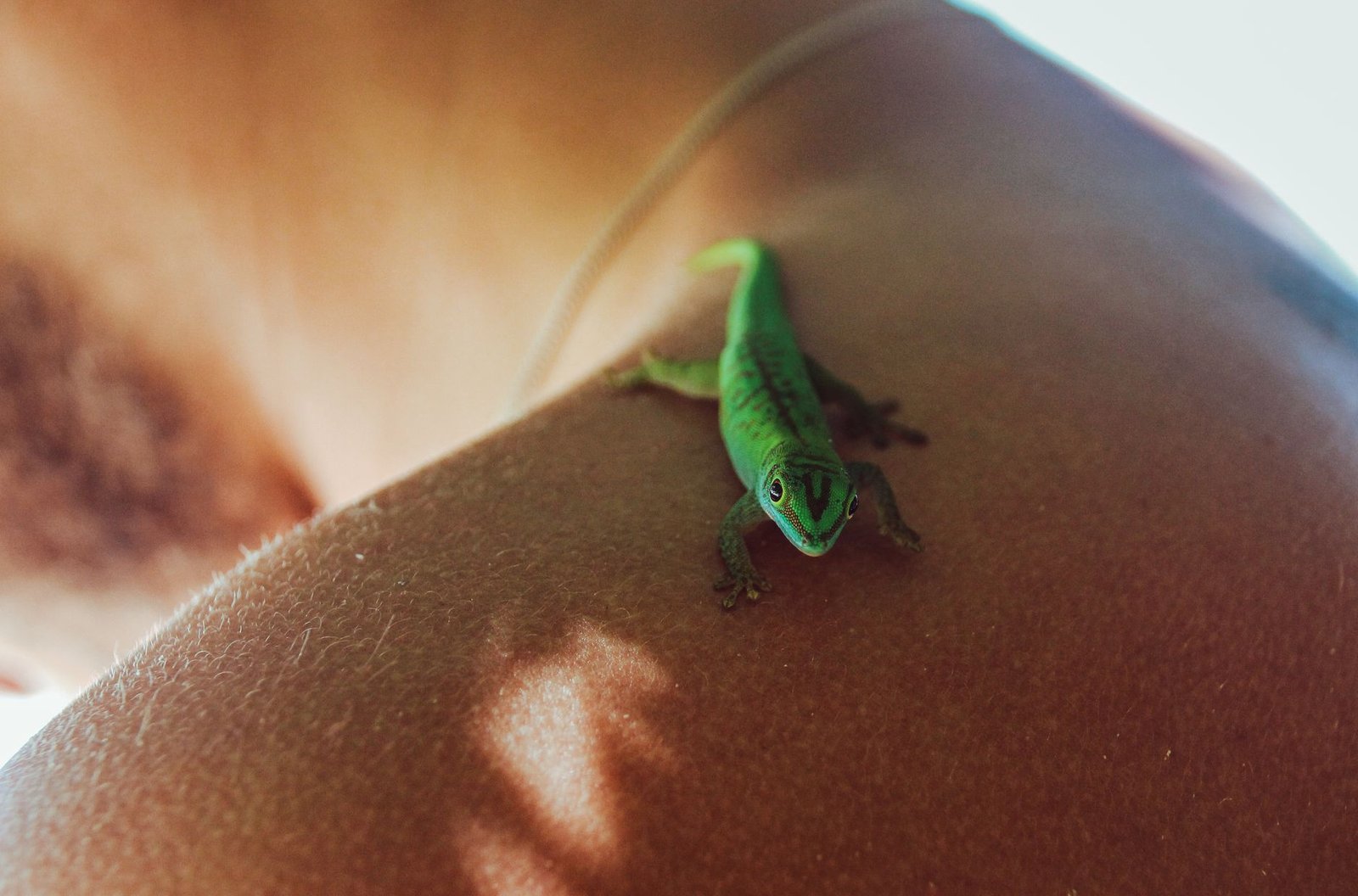
In some African traditions, certain lizards (including chameleons) carry the stigma of bad omens. A popular folktale tells of a lizard being sent by God to Earth to deliver the message of human mortality, which causes some to associate the animal with misfortune.
In Thai folklore, animals unexpectedly falling from the roof or ceiling into your living space can be interpreted as a sign of bad luck. A gecko falling on a person’s head is sometimes viewed as an inauspicious event—kind of makes sense though. I know a lot of folks who would say a lizard falling on your head is bad luck.
In some parts of the Caribbean, it’s said that if a lizard falls on you, unexpected money is coming your way. In Mexico, people joke that if a lizard runs across your path, it’s trying to steer you toward a better decision.
Not sure if this comes under good luck or bad, but in certain traditional African cultures, lizards and chameleons are believed to act as natural barometers. Their shifting behavior or ability to change skin color is historically linked to predicting upcoming weather changes or storms.
Lizards in Traditional and Modern Medicine
And all of those apothecaries who concoct lotions and potions from dragon parts have grounding in reality too.
Traditional Medicine
Historically, lizards have been utilized in folk medicine across various cultures, often relying on their whole bodies, blood, or saliva for perceived magical and curative properties.
In parts of Latin America and Asia, certain monitor and gecko species are used to treat ailments ranging from asthma to skin conditions. In Andean traditions, specific lizards are used in topical “healing patches” to relieve pain and inflammation. In traditional Chinese medicine (TCM) and some African folk traditions, dried lizards are consumed in powders or teas to treat respiratory issues, boost vitality, or act as an aphrodisiac.
Modern Medicine
Modern medicine might start with the lizard, but then creates highly refined, lab-synthesized versions of the original lizard molecules.
The saliva of the venomous Gila Monster contains a hormone that mimics human GLP-1, stimulating insulin production and regulating blood sugar. This discovery served as the biological blueprint for widely used weight-loss and metabolic therapies.
Green anoles (who live in my front yard!) and geckos, possess the remarkable ability to drop and regrow their tails. Researchers seek to translate these mechanisms to improve wound healing, regrow cartilage, and treat conditions like arthritis.
Comments
Celebrating World Lizard Day — No Comments
HTML tags allowed in your comment: <a href="" title=""> <abbr title=""> <acronym title=""> <b> <blockquote cite=""> <cite> <code> <del datetime=""> <em> <i> <q cite=""> <s> <strike> <strong>